
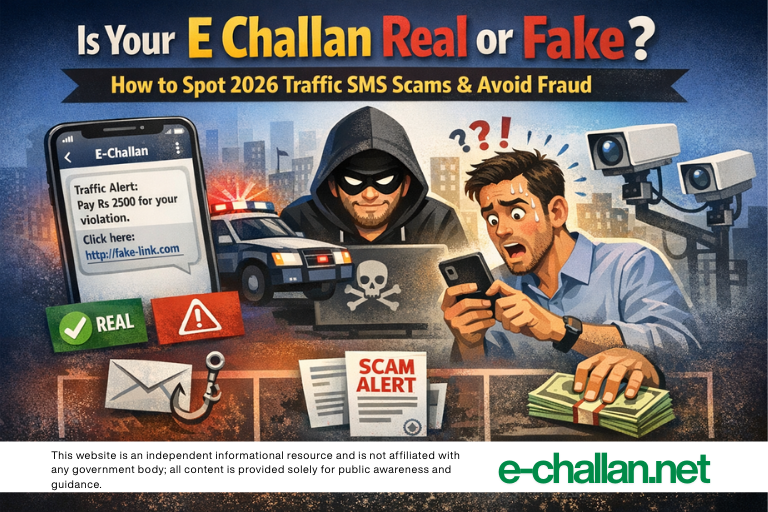
Is Your E Challan Real or Fake – How to Spot 2026 Traffic SMS Scams & Avoid Fraud
Digital traffic enforcement has made life easier for drivers across Pakistan, but it has also opened the door to a new wave of cybercrime. In 2026, thousands of vehicle owners are receiving suspicious SMS alerts claiming they have unpaid fines. Some messages look completely official, carry government-style language, and even include fake challan numbers. Yet many of these alerts are scams.
If you have recently received an urgent message demanding payment for a traffic fine, you may be wondering: is your e challan real or fake?
This question has become extremely important because scammers are now targeting drivers through fake e-Challan notifications, phishing links, and payment traps. One careless click can expose your CNIC, bank details, mobile wallet, or even your entire phone to hackers.
This detailed 2026 guide explains how to verify your challan safely, recognize fraud instantly, understand the latest scam tactics, and protect yourself from financial and identity theft.
Understanding the Official e-Challan System
Before identifying fake alerts, it’s important to understand how the real system works.
An e-Challan is a digitally generated traffic fine issued by official authorities such as Punjab Traffic Police, Islamabad Traffic Police, Excise & Taxation Department, and other provincial traffic departments. These fines are created through:
- Speed cameras
- Red-light violation cameras
- ANPR (Automatic Number Plate Recognition) systems
- Smart surveillance systems
- Manual entries by traffic wardens
When a genuine challan is issued, it is:
- Recorded in a centralized government database
- Linked to your vehicle registration number
- Associated with your CNIC or license record
- Visible on official portals only
- Payable through authorized banks or apps
Most importantly, official departments do not send threatening or suspicious payment links through random SMS messages.
Why Fake Challan Scams Are Increasing in 2026
Cybercriminals are becoming smarter every year. In 2026, fake challan scams are spreading rapidly for several reasons.
First, nearly every vehicle owner expects traffic alerts. When someone receives a message mentioning a fine, they assume it is real. Second, digital payments through JazzCash, EasyPaisa, debit cards, and banking apps have become common, making it easier for scammers to steal money quickly.
Scammers also take advantage of fear. People worry about:
- License suspension
- Vehicle transfer blockage
- Registration cancellation
- Heavy penalties
- Legal notices
This panic pushes victims to click without thinking.
Using AI tools and fake website templates, criminals now copy official logos, government language, and even portal designs. As a result, many people struggle to tell is your e challan real or fake.
3 Major Warning Signs Your Challan Is Fake
Recognizing these red flags can save you from serious loss.
1. Suspicious or Shortened Links
Most fake SMS messages contain strange URLs such as:
- bit.ly links
- tinyurl links
- random characters
- misspelled government domains
For example:
- traffic-police-pay.net
- echallan-alert.xyz
- pkfine-payment.com
These are not official.
Government portals always use proper domains and never hide links behind shorteners.
Scammers design fake pages that look identical to official websites. Once you enter your CNIC, OTP, or card details, the money disappears instantly.
Rule: Never click unknown links.
2. Urgent or Threatening Language
Fake messages often use fear tactics such as:
- “Pay within 2 hours or license will be blocked”
- “Final warning – legal action starting today”
- “Vehicle will be seized immediately”
- “Court notice will be issued”
These statements are designed to create panic.
Real Traffic Police messages are calm and informational. They never threaten immediate arrest or cancellation through SMS.
If the tone sounds aggressive or scary, it is likely fake.
3. Unofficial Sender Numbers
Another common sign is the sender ID.
Fake messages come from:
- Random mobile numbers
- International numbers
- Changing sender names
- Unknown IDs
Official messages typically come from:
- Registered government shortcodes
- Verified sender names
- Consistent IDs
If the sender looks strange or different each time, do not trust it.
Examples of Common Fake Messages
Scammers use similar formats again and again. Some examples include:
“Your vehicle challan of Rs. 6,500 is pending. Pay now to avoid court action.”
“Traffic violation detected. Click here immediately to clear fine.”
“Last warning. Registration will be blocked today.”
These messages share three traits:
- Fear
- Urgency
- Suspicious links
All of them are fake.
Also you can read Pay Up Police E-Challan Online to learn how motorists can quickly clear traffic fines through the official Pay Up system, check violation details, and complete payments securely online without visiting police offices.
How to Check Is Your E Challan Real or Fake Safely
Instead of trusting SMS links, follow these secure steps every time.
First, ignore the message. Do not click anything.
Second, manually open the official e-Challan portal in your browser. Type the address yourself instead of using a provided link.
Third, enter your vehicle registration number or CNIC.
If a real challan exists, it will appear in the database with details such as date, time, and violation type.
If nothing appears, the SMS is fake.
Only pay through:
- Official websites
- Government apps
- Bank apps
- Authorized payment channels
Never pay through random links or unknown apps.
What Happens If You Click a Fake Link?
Many people click accidentally out of curiosity. If this happens, act quickly.
Immediately disconnect your mobile data or Wi-Fi. This reduces the chance of malware spreading.
Do not enter any personal information. If you already entered details, change passwords instantly.
Run a security scan on your device and uninstall unknown apps.
If banking or wallet details were entered, contact your bank immediately and block your card.
Quick action can prevent large losses.
Real vs Fake Challan: Quick Comparison
Understanding the difference makes it easier to stay safe.
A real e-Challan appears on official government databases, while a fake one exists only in SMS or phishing pages. Real messages are informative and polite, while fake ones are urgent and threatening. Official systems never ask for OTPs or sensitive data through links.
If you ever doubt is your e challan real or fake, always verify through the portal first.
How the Government Is Fighting Challan Fraud
Authorities are aware of rising fraud and have introduced protective measures.
They are:
- Blocking fake domains
- Launching awareness campaigns
- Monitoring phishing websites
- Strengthening official verification systems
- Encouraging cybercrime reporting
Despite these efforts, public awareness remains the strongest protection.
Practical Safety Tips for Every Driver
Staying cautious online is now just as important as following traffic rules.
Always verify fines manually. Never share your CNIC, OTP, or card numbers. Install apps only from official stores. Keep your phone updated with security patches.
It’s also wise to educate family members, especially older relatives who may not recognize digital scams easily.
Make it a habit to check your e-Challan status monthly on official portals instead of waiting for messages.
Why Awareness Matters in 2026
Digital services have made traffic management efficient, but scammers exploit the same technology.
A small mistake can result in:
- Money loss
- Identity theft
- SIM misuse
- Banking fraud
- Data breaches
Learning how to verify is your e challan real or fake protects not only your money but also your personal information and peace of mind.
Remember, real government systems never rush or threaten you.
Conclusion
Fake challan scams are becoming more sophisticated every year. Cybercriminals are using official-looking SMS alerts, cloned websites, and psychological pressure to trap innocent drivers.
But protecting yourself is simple.
Check only through official portals. Avoid suspicious links. Ignore threatening messages. Verify before paying.
If you ever receive a doubtful alert, ask yourself one simple question: is your e challan real or fake?
Taking a few extra seconds to verify can save you from serious financial and emotional stress.
When in doubt, don’t click — check first.
Frequently Asked Questions (FAQs)
1. Can official Traffic Police send challan alerts by SMS?
Yes, but they only inform you. Payment is done through official platforms, not random links.
2. Will my license be blocked immediately if I don’t pay?
No. There is a proper legal process. Instant threats are fake.
3. Are WhatsApp challan messages real?
No. Official challans are not sent through WhatsApp.
4. How can I report scam messages?
Report them to cybercrime authorities or simply delete and block the sender.
5. Is clicking a fake link dangerous even without payment?
Yes. Malware can steal your personal or banking data even without entering details.
References with Links
- Punjab Safe City Authority warns against fake e-challan messages – Official advisory clarifying genuine SMS behaviour and warning citizens not to click unknown links. Punjab warns against fake e‑challan messages
- New crackdown on fake e-challan websites – PSCA with PTA blocked over 100 fraudulent domains posing as official e-challan payment sites. Punjab Safe Cities cracks down on fake e‑challan websites
- Traffic Police alerts public to fake e-challan SMS scams – Karachi Traffic Police confirms bogus messages are not issued by official departments. Karachi Traffic Police alert public to fake e‑challan SMS scam
- Safety practices and how to verify official challans – Tips on authentic sender numbers and official portals for checking real penalties. E Challan Notification – SMS, Email & WhatsApp Security Tips